Editor’s Choice for Middle Eastern food Vancouver You’ll Love
Wiki Article
A Beginner's Overview to Understanding Middle Eastern Food and Halal Food Essentials
When you discover Middle Eastern food, you're tipping right into a world of dynamic flavors and rich practices. You'll find important components that specify the food and discover what makes recipes like hummus and shawarma so beloved. Recognizing halal is similarly important, as it shapes food techniques in this culture. Curious about just how to accept these culinary thrills at home? Let's discover the crucial active ingredients and essential meals that will elevate your food preparation experience.Key Active Ingredients in Middle Eastern Food
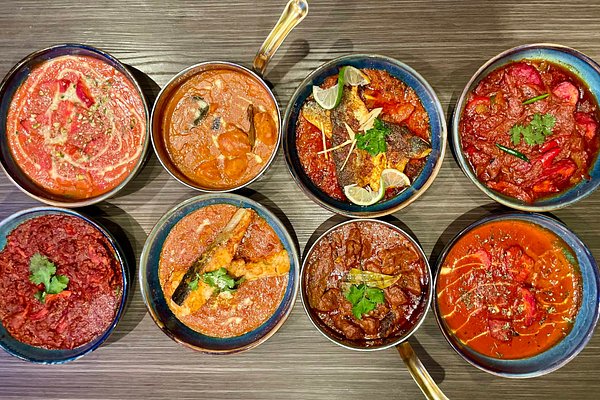
Garlic and onion act as the aromatic foundation for countless dishes, while tahini, made from ground sesame seeds, lends a luscious texture to dips like hummus. Legumes, such as chickpeas and lentils, are essential for protein-packed dishes. Do not neglect the importance of yogurt, which adds tanginess and is usually utilized as an air conditioning agent along with spicy dishes. Citrus fruits like lemons boost brightness, making each attack an unified blend of preferences that specify this enchanting food.
Vital Meals to Attempt
Middle Eastern food is a treasure of essential dishes that showcase its rich flavors and diverse ingredients. You can't fail starting with hummus, a velvety blend of chickpeas, tahini, and lemon juice, ideal for dipping pita bread. Next off, try falafel-- crispy, deep-fried spheres made from ground chickpeas, commonly offered in covers or salads.Do not lose out on shawarma, where seasoned meat is slow-cooked and cut off, generally offered in a pita with fresh veggies and sauces. If you're desire something hearty, delight in a plate of kebabs, whether they're grilled meat skewers or succulent kofta.
For a reassuring meal, go for tabbouleh, a renewing salad made from bulgur, parsley, and tomatoes. Finally, finish off your dish with baklava, a pleasant bread layered with nuts and honey. Each bite brings you closer to the heart of Middle Eastern cooking practice.
Comprehending Halal: What It Means
When you hear the term "halal," it refers to what is permissible in Islamic legislation, specifically relating to food. Understanding the dietary limitations linked to halal can help you value Middle Eastern food more completely. And also, recognizing regarding accreditation and regulations assurances that you're selecting food that aligns with these vital guidelines.Definition of Halal
Halal refers to what is permissible or authorized in Islamic regulation, particularly concerning food and beverage. For you, this includes ensuring your food is sourced and prepared according to these guidelines.When it concerns meat, it needs to come from an animal that's been slaughtered by a Muslim who invokes Allah's name throughout the process. Additionally, halal prolongs past food; it encompasses ethical practices and way of life options, promoting general wellness. By selecting halal, you're not just complying with dietary laws; you're also embracing a means of life that aligns with Islamic principles.
Dietary Restrictions Explained
Understanding nutritional limitations, especially in the context of halal, can appear complicated at first, but it's crucial for any individual desiring to value these guidelines. Halal means acceptable, and it applies to food that fulfills details needs set by Islamic law. By recognizing these restrictions, you can value Middle Eastern food while adhering to the principles of halal consuming.Accreditation and Laws
To assure that food satisfies halal criteria, accreditation plays an important duty in guiding both customers and manufacturers. When you see a halal qualification label, it assures you that the food adheres to Islamic dietary regulations. Comprehending the laws behind halal food can improve your self-confidence as a consumer.
Halal Dietary Standards
When it pertains to dietary choices, sticking to halal standards is vital for numerous Muslims, as these rules dictate what is allowable to consume and consume. Halal foods need to come from sources that are taken into consideration clean and healthy and balanced. You'll desire to prevent pork and its spin-offs, as well as alcohol, which are purely prohibited.Meat should originate from pets that are slaughtered in a particular fashion, referred to as zabiha, ensuring that the pet is dealt with humanely which the blood is fully drained pipes. Furthermore, cross-contamination with non-halal items need to be stayed clear of, so examining labels and verifying different cooking utensils is important.
Dairy items should also be halal-certified, as some may include pet rennet. Constantly seek credible resources or accreditations to validate your food straightens with halal standards. Adhering to these guidelines helps you preserve your belief while delighting in scrumptious dishes.
Popular Spices and Their Usages
When you explore Middle Eastern cuisine, you'll uncover a dynamic range of seasonings that bring recipes to life. Each seasoning has its very own one-of-a-kind taste account and wellness benefits, improving not just preference but likewise nourishment. Let's consider some essential seasonings and exactly how they transform your cooking experience.Key Spices in Cuisine
As you discover Middle Eastern cuisine, you'll swiftly discover that seasonings play an important function in creating its unique flavors. Some vital flavors to recognize include cumin, coriander, and cardamom. Cumin includes a warm, earthy preference, usually located in stews and seasoning blends like za'atar. Coriander, with its citrusy notes, enhances meals like hummus and tabbouleh. Cardamom, great smelling and slightly pleasant, shines in desserts and chai. Do not neglect about sumac, which provides a tangy taste ideal for salads and smoked meats, and paprika, including shade and light warm to lots of meals. Each flavor adds to the abundant tapestry of Middle Eastern food, so don't hesitate to trying out them in your cooking!Flavor Profiles Clarified
In Middle Eastern cuisine, spices like cumin, coriander, and cardamom play necessary functions. Cumin includes a warm, natural flavor, making it a staple in recipes like kebabs and stews.Do not fail to remember about paprika and turmeric; paprika's smoky touches boost baked meats, while turmeric extract imparts an abundant gold shade and refined earthiness. By understanding these spices and their accounts, you'll produce genuine Middle Eastern meals that break with flavor and depth. Take pleasure in explore them in your cooking area!
Health And Wellness Advantages of Spices
While you explore the rich tastes of Middle Eastern food, it's vital to acknowledge the wellness advantages that include the spices you use. Seasonings like turmeric extract, known for its anti-inflammatory homes, can improve your body immune system. Cinnamon not only includes heat yet likewise aids regulate blood sugar level degrees. Cumin help digestion and enhances your metabolic process, making it a fantastic enhancement to your dishes. Do not overlook coriander, which can help in reducing cholesterol and boost heart health and wellness. Ginger is an additional powerhouse, understood for easing nausea and boosting digestion. By integrating these spices right into your cooking, you're not just boosting flavors yet also sustaining your total health. So, seasoning things up and delight in the benefits they offer your table!Eating Decorum in Middle Eastern Culture
Recognizing eating decorum in Middle Eastern culture is necessary for any individual wanting to appreciate a meal in this lively region. When welcomed to someone's home, it's respectful to bring a little gift, like desserts or fruit. Always greet your host warmly and reveal gratitude for the meal.
Throughout the meal, you'll commonly discover on your own seated on paddings or reduced chairs, so obtain comfy. It's traditional to eat with your right-hand man, as the left hand is considered unclean. If you're sharing recipes, make use of common tools or your right-hand man to offer on your own.
Do Halal catering Vancouver not be stunned if your host urges you eat extra; this shows friendliness. Do not hesitate to decrease pleasantly if you're complete, but a little taste is always appreciated. If you delight in the meal, be certain to compliment your host-- it's an indication you cherished the experience and the food.
Tips for Food Preparation Middle Eastern Food in the house
When it comes to taking pleasure in the rich tastes of Middle Eastern food in your home, a couple of crucial ideas can make your food preparation experience a lot more authentic and enjoyable. Spend in high quality spices like cumin, coriander, and sumac; they're crucial for catching those dynamic tastes. Next off, do not avoid fresh natural herbs-- parsley, mint, and cilantro can boost your meals greatly.
When preparing staples like rice or couscous, consider making use of brew instead of water for included deepness. Marinading meats with yogurt and flavors not just softens however additionally infuses them with taste.
Trying out standard food preparation methods, such as slow-cooking or barbecuing, to improve appearances and tastes. Ultimately, accept the communal aspect of dishes; offer your dishes family-style to promote link and pleasure at the table. With these tips, you'll bring the significance of Middle Eastern cuisine right into your cooking area.
Frequently Asked Questions
Exist Vegetarian Options in Middle Eastern Food?
Yes, you'll locate lots of vegan options in Middle Eastern food. Meals like falafel, hummus, tabbouleh, and stuffed grape leaves deal delicious flavors without meat, guaranteeing you have an enjoyable dining experience. Take pleasure in discovering!What Drinks Pair Well With Middle Eastern Cuisines?
When delighting in Middle Eastern dishes, consider matching them with mint tea, pomegranate juice, or yogurt drinks like ayran (Catering Vancouver). These renewing alternatives boost the tastes and balance the spices, creating a delightful dining experience you'll enjoyJust How Can I Find Halal Dining Establishments in My Area?
To discover halal dining establishments in your area, usage applications like Yelp or Zomato, search online with "halal restaurants near me," and inspect local neighborhood boards or social media sites for recommendations from friends and food enthusiasts.Are There Gluten-Free Middle Eastern Food Options?
Yes, you can locate gluten-free Middle Eastern choices! Meals like falafel, packed grape leaves, and certain kebabs often deal with gluten-free diets. Simply double-check ingredients or ask the dining establishment personnel for confirmation. Enjoy checking out!How Is Middle Eastern Food Served During Unique Celebrations?
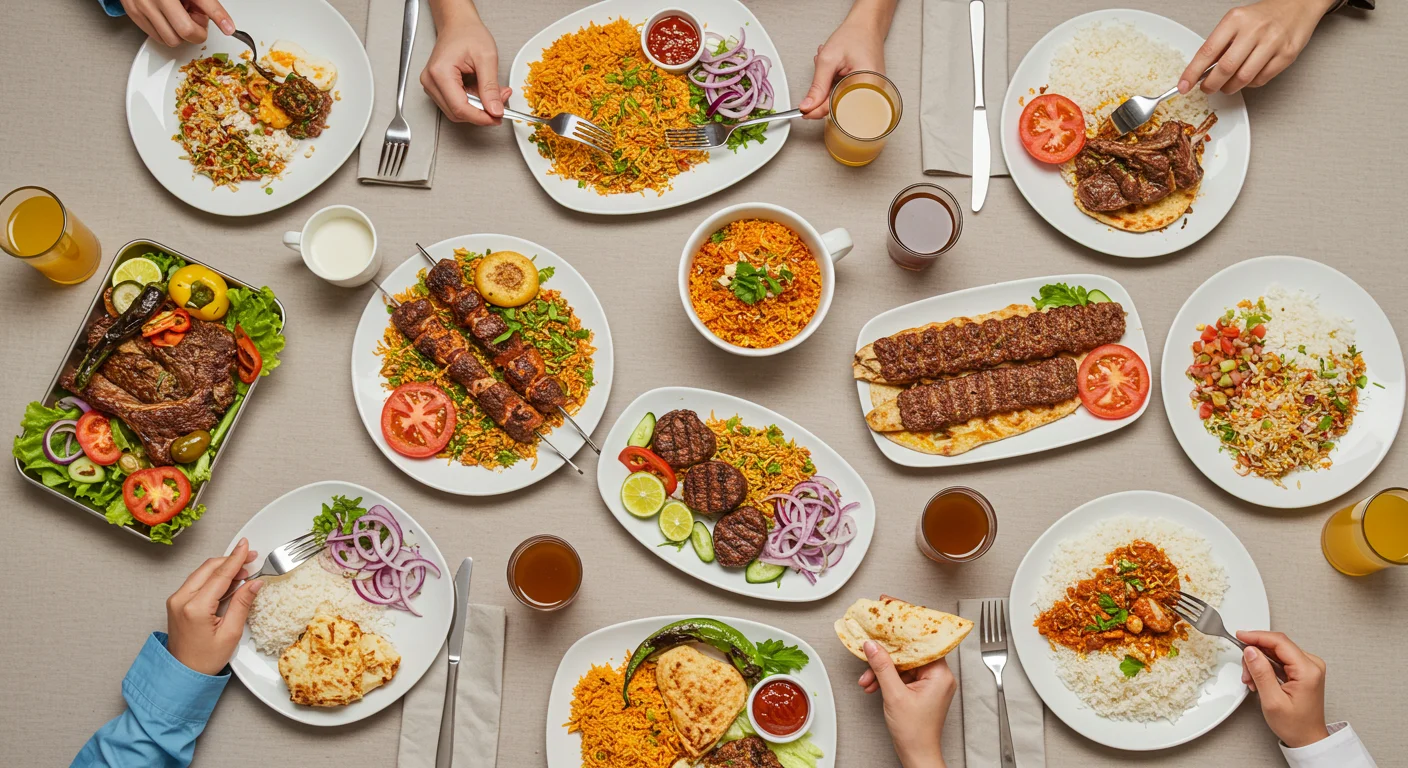
During unique events, you'll discover Middle Eastern food offered family-style, with large platters of dishes like kebabs, rice, and salads. Everyone collects around, sharing and enjoying the vibrant flavors and common atmosphere together.Report this wiki page